
Phase 1 of The Escape Plan
Give every dollar a job.
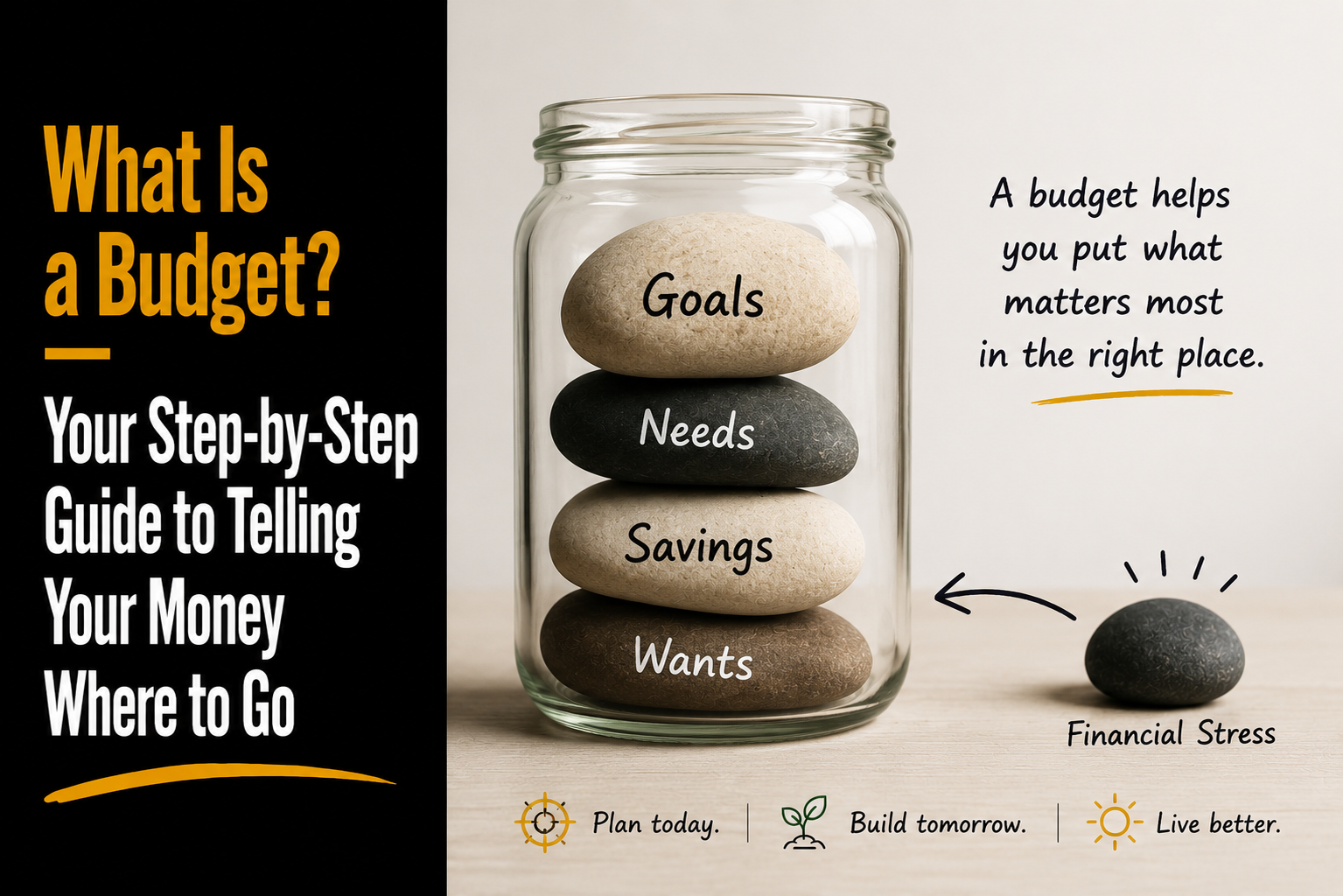
A budget isn't a cage. It's a plan you write before the month begins, so your money goes where you decided instead of wherever it drifts. Every dollar assigned. Nothing left floating.
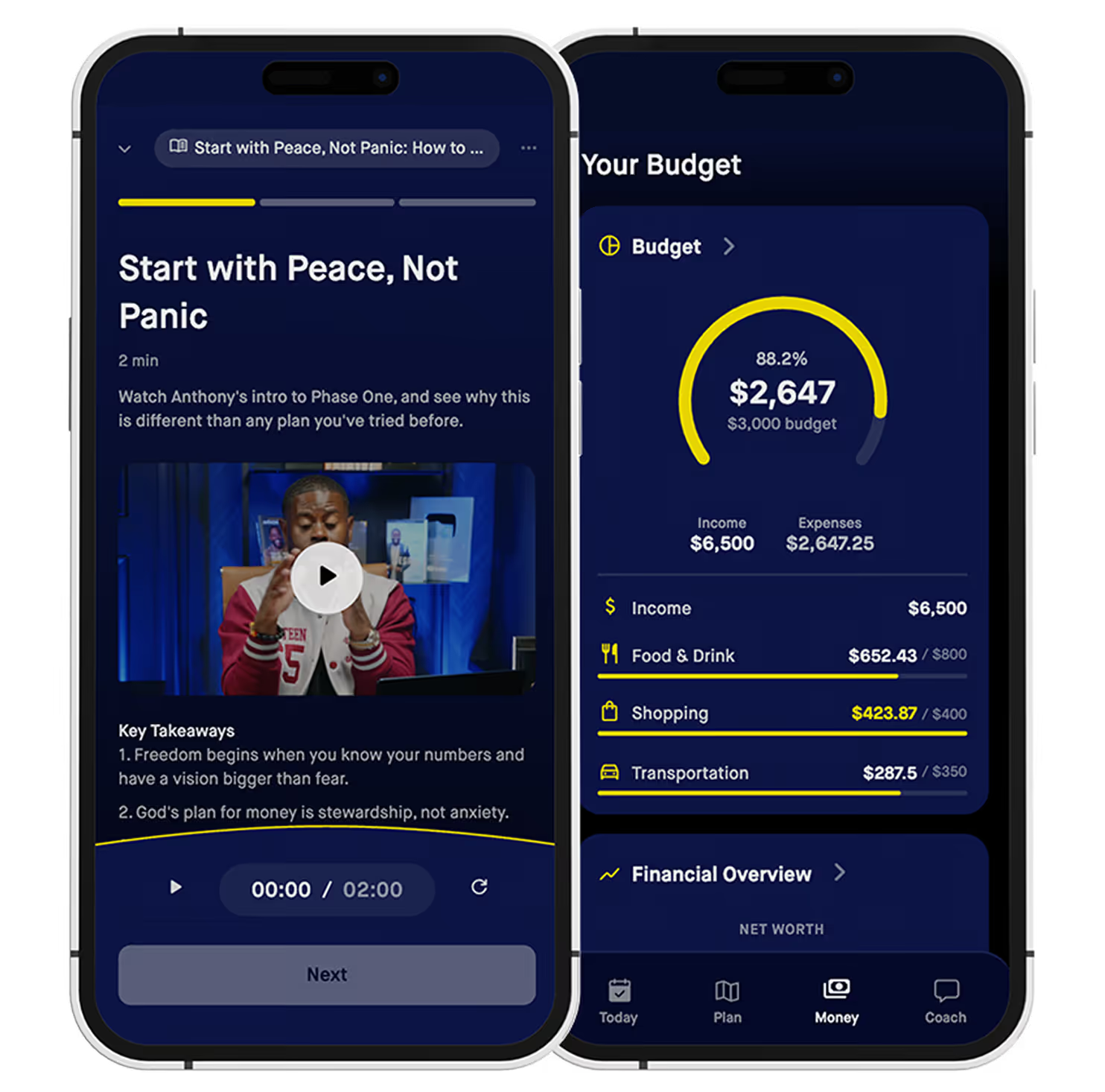
Join 1,000+ people already using In the Black
How it works
Income minus everything equals zero.
That's the whole rule. Not zero in your account — zero left unassigned. Every dollar has a name before the month starts.
Start with what actually lands
Use your take-home pay, not your salary. What hits the account after taxes is the only number you can spend. If your income moves month to month, budget on your lowest recent month and treat anything above it as a bonus.
Give first, then cover the four walls
Giving comes off the top — 10%, before anything else. Then the four walls: food, utilities, shelter, transportation. Those get funded before a single subscription, and before the minimum on any credit card.
Assign every remaining dollar
Savings, debt, insurance, fun — keep assigning until the leftover is exactly zero. Unassigned money is money that disappears. And yes, budget some fun. A plan you hate is a plan you quit.
Rewrite it every single month
December doesn't look like July. A budget isn't one document you make once — it's a new plan each month, adjusted for what's actually coming. Your third month will be far more accurate than your first, so don't quit at month one.
A worked example
What it actually looks like.
Take-home pay of $4,200 a month, in Phase 2 working the debt snowball. Your numbers will be different — the structure is the same.
That last line is the entire point. Zero left over doesn't mean broke — it means nothing is drifting. Every dollar is already working somewhere you chose.
In the Black
The budget is the plan. The app is the accountability.
Writing the budget is the easy part. Week three is where people fall off. In the Black holds you to the plan you made — it tracks your spending against every category you set, follows your investing and net worth as they grow, and puts Coach AO in your pocket with a new assignment every morning. You're not doing this on willpower.
Budget, spending, investing and daily coaching in one place — built to walk you through every phase of The Escape Plan.
Budget questions
Straight answers
The questions I get every week about getting on a budget, answered the way I'd answer them if you were sitting across from me.
What is a zero-based budget?
It means your income minus everything you plan to spend, save and give equals zero. Not zero in the bank. Zero left unassigned. Every dollar gets a job before the month starts, so nothing just disappears.
How do I make my first budget?
Write down what you'll bring home this month. Cover the Four Walls first: food, utilities, shelter and transportation. Then list every other bill, then debt payments, then savings and giving. Keep assigning until you hit zero. Use the example budget above as your template.
What if my income is irregular?
Budget off the lowest month you've had recently, not the best one. Rank your expenses in priority order. When extra money comes in, keep going down the list. Commission, gig work and tips can absolutely be budgeted. You just plan conservatively.
What happens when I overspend a category?
You don't quit. You move money from another category so the budget still balances. The budget isn't a report card, it's a plan you adjust. The only failure is closing the app and guessing for the rest of the month.
Should I budget if I'm drowning in debt?
Especially then. You can't attack debt with money you can't find. The budget is where your snowball payment comes from. Most people are shocked how much margin they have once they actually see where it's going.
How often should I do a budget?
Every month, before the month begins. No two months are the same: birthdays, car registration, holidays. Then check in on it every day or two. Five minutes a morning beats a two-hour panic at the end of the month.
We're married. Do we budget together?
Yes. One budget, both of you at the table. One person can be the one who likes the numbers, but the other one has to agree to the plan. When you both sign off on it, you stop fighting about money and start fighting for your goals.
Do I need an app to budget?
No. Pen and paper works. But writing the budget is the easy part. Sticking to it is the hard part. In the Black tracks your spending against the plan and has Coach AO check in every morning. The average person finds $516 in their first 30 days.
Read more
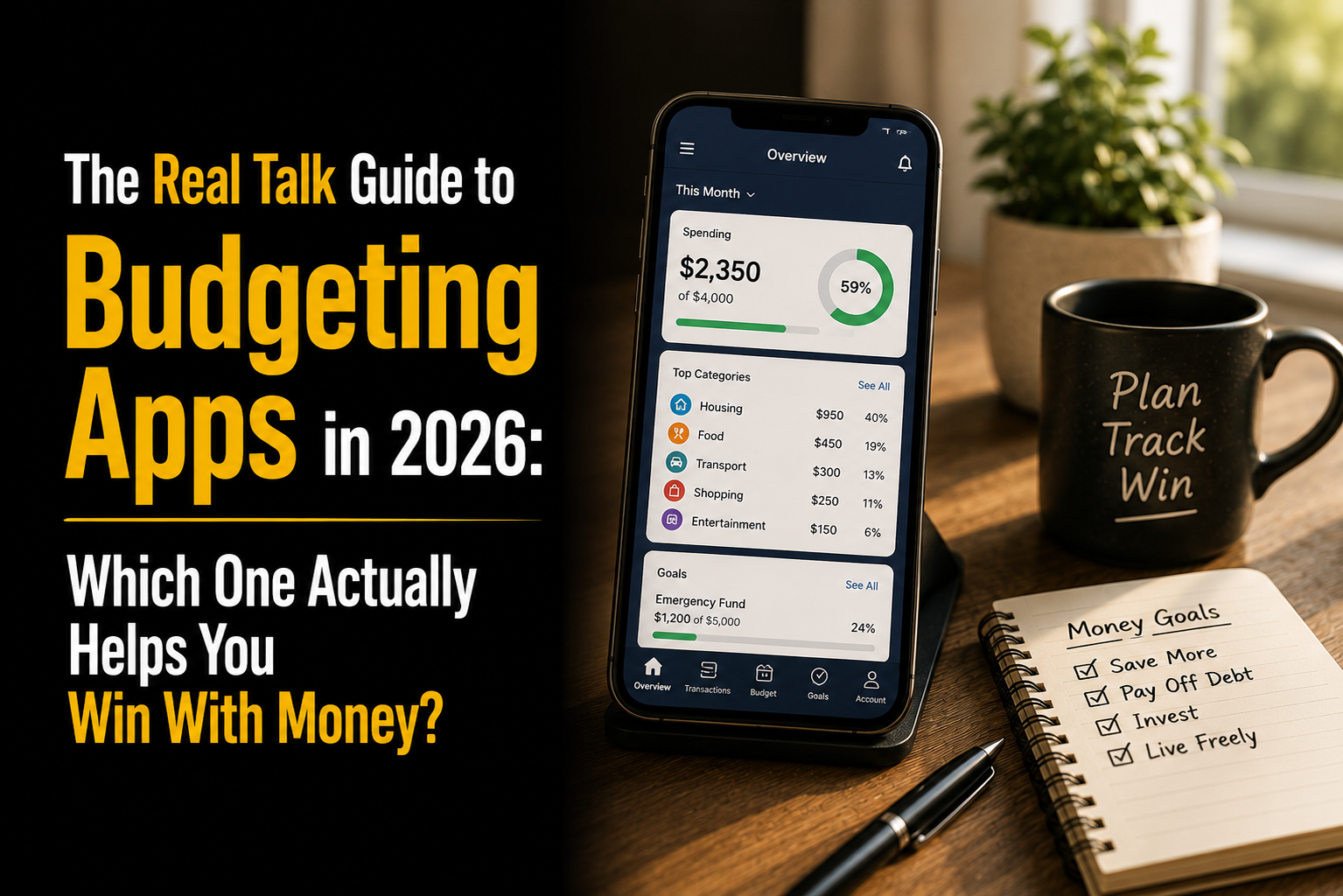
Budgeting, straight up.



Where this fits
Budgeting is Phase 1 of five.
Nothing else in the plan works until this one is running. Get the budget going, save your first month of net pay, and Phase 2 is next.
Get the plan in your inbox.
Weekly money tips, real stories, and my free Wealth Checklist.
Free. Unsubscribe anytime.