
Hiring Right: Best Practices Every HR Leader Needs to Know

3 min read
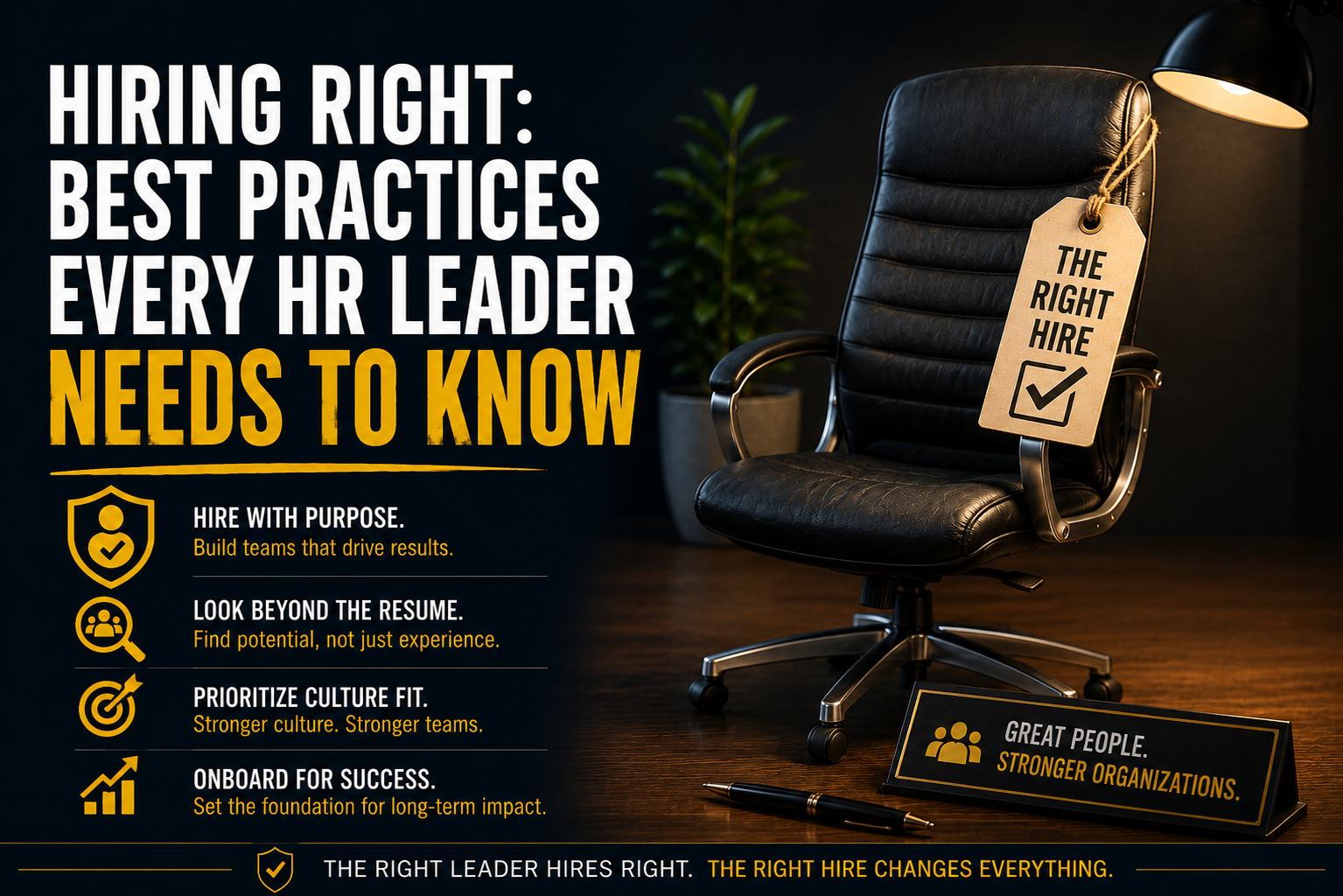
Key Takeaways
- Recruiting is an ongoing process — not a one-time event — and the right strategy makes all the difference.
- Internal recruiting should always come first to protect team morale and build loyalty before looking outside.
- A strong hiring process saves your company time, money, and the headache of a bad hire.
Hiring the wrong person is expensive. Not just financially — though that cost is real — but in time, energy, and team morale.
Most HR leaders know the frustration. You post a job, sift through dozens of resumes, sit through interview after interview, and still end up with someone who wasn't the right fit. It's draining. And it sets your whole organization back.
But here's the truth: bad hires don't happen because you're bad at your job. They happen because most companies don't have a clear, consistent recruiting strategy in place.
That changes today. Let's break down what smart recruiting actually looks like — and how you can build a process that brings the right people through your doors.
What Is Recruiting — Really?
Recruiting is the ongoing process of identifying, attracting, and selecting qualified candidates to fill open roles within your organization. The key word there is ongoing. It's not something you do when a seat opens up. It's something you build into the culture of your company.
Your people are your greatest asset. They're also your biggest expense. That means every hire matters — and every hire deserves a thoughtful, intentional process behind it.
The Three Types of Recruiting (And Why Order Matters)
Not all recruiting looks the same. There are three primary strategies, and knowing when to use each one is what separates reactive hiring from strategic hiring.
1. Internal Recruiting
This is where every search should start. Internal recruiting means filling open roles with people already on your team — through promotions, lateral moves, or internal transfers.
Why does this matter so much? Because your current team is watching. When employees see that growth is possible where they are, they stay. They invest. They bring their best. Internal recruiting builds loyalty, strengthens culture, and sends a clear message: we believe in the people we already have.
Never skip this step. If you go straight to external candidates without giving your team a shot, you'll damage trust — and trust is hard to rebuild.
2. External Recruiting
When the right fit isn't already on your team, it's time to look outside. External recruiting opens the door to fresh talent, new perspectives, and skills your organization may not currently have.
Some of the most effective ways to find external candidates include:
- Posting open roles on your company website
- Sharing opportunities on professional platforms and social media
- Listing positions on job boards
- Partnering with a staffing agency
- Revisiting strong candidates from previous searches
One important rule: never run internal and external recruiting at the same time for the same position. Always give your internal team the first opportunity. Running both simultaneously sends a confusing message — and it will hurt morale fast.
3. Referral Recruiting
Some of the best hires come through people you already trust. Referral recruiting is when a current team member recommends someone from their network for an open role.
This strategy works because culture fit is already built in. People tend to refer others who share their values and work ethic. It's not a guarantee — but it's a strong starting point. Companies that lean into referral recruiting often find that those hires integrate faster, stay longer, and contribute more.
From Recruiting to Hiring: Don't Rush the Process
Finding candidates is only the beginning. The real work is in the selection process — and this is where many organizations cut corners they can't afford to cut.
Take your time. Ask the right questions. Look beyond the resume. A candidate can look perfect on paper and still be the wrong fit for your team's culture, values, or direction.
A few things to keep in mind as you move from recruiting to hiring:
- Define the role clearly before you ever post it. Vague job descriptions attract the wrong people.
- Know your non-negotiables. What skills, values, and behaviors are required — not just preferred?
- Involve your team. The people who will work alongside this new hire often see things an HR leader might miss.
- Trust your process, not just your gut. Instinct matters, but it works best when it's backed by a consistent system.
Conclusion
Look — recruiting isn't just an HR function. It's a leadership responsibility. Every person you bring into your organization shapes the culture, the output, and the future of your company.
Here's what we covered:
- Recruiting is an ongoing strategy, not a reactive scramble
- Internal recruiting always comes first — protect your team's trust
- External and referral recruiting each have their place when used correctly
- The hiring process deserves the same care and intention as the recruiting process
Your next move: Audit your current recruiting process. Where are the gaps? Are you starting internally? Do you have a referral program in place? Start there — and build from the ground up.
Now I want to hear from you: What's the biggest challenge your organization faces when it comes to recruiting the right people? Drop it in the comments — let's figure it out together.
Keep building,

Lorem ipsum dolor sit amet, consectetur adipiscing elit. Suspendisse varius enim in eros elementum tristique. Duis cursus, mi quis viverra ornare, eros dolor interdum nulla, ut commodo diam libero vitae erat. Aenean faucibus nibh et justo cursus id rutrum lorem imperdiet. Nunc ut sem vitae risus tristique posuere.
like what you’ve just read?
Make sure to share it with your tribe!
.webp)
like what you’ve just read?
Make sure to share it with your tribe!


